What is cerebral palsy?
Cerebral palsy is a group of lifelong conditions that affect movement and posture because of damage or abnormal development in the developing brain. The way it affects each child can be very different.
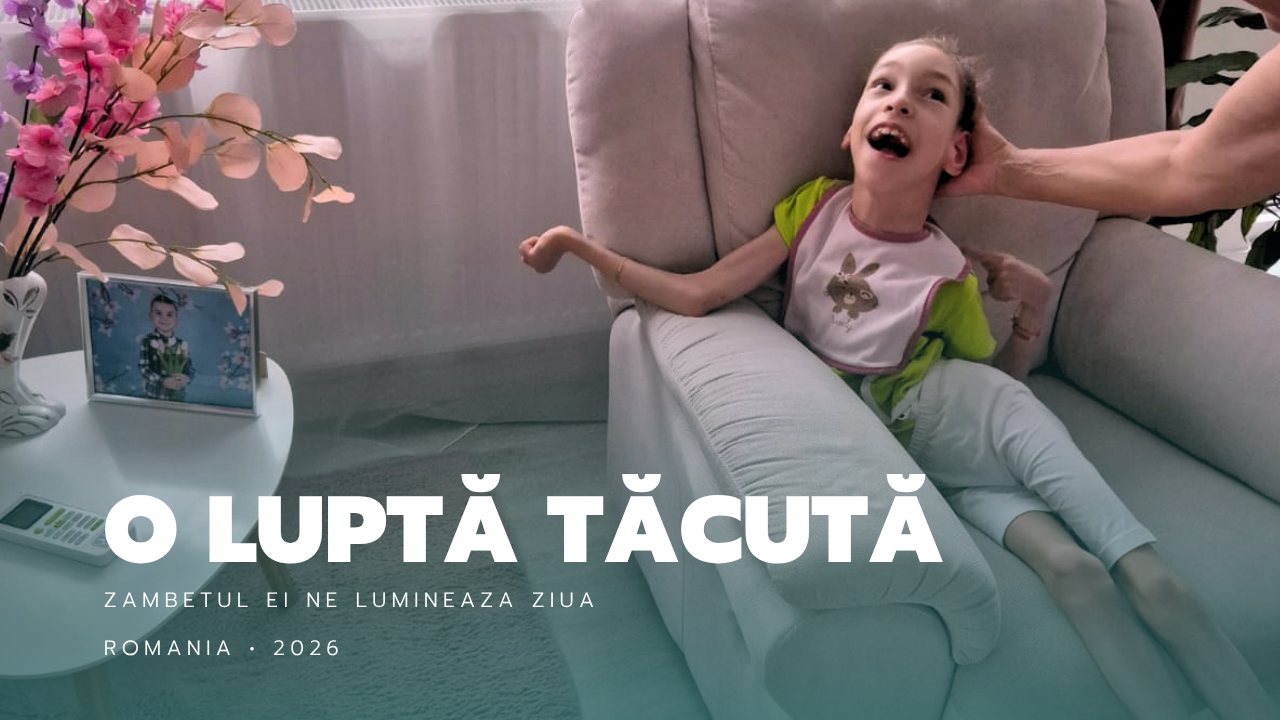
In Sofia’s case, the motor impairment is severe. She cannot walk, sit independently or voluntarily use her arms and legs in the way most children do, and she lives with significant spasticity.
How the diagnosis became clear
As a baby, the full extent of Sofia’s difficulties was not immediately obvious. Over time, delayed motor milestones and increasing differences in movement made it clear that her development was not following the expected path.
Her family gradually moved from waiting for milestones to building a care routine around what her body actually needed.
How Sofia communicates
Sofia does not communicate with speech. Her family watches her eyes, facial expression, muscle tone, sounds and reactions to voices. These small signals have become part of a language they understand together.
A smile, a calmer body or a change in expression can say a great deal when words are not available.
Spasticity, feeding and positioning
Muscle stiffness can make positioning difficult and can become more pronounced during seizures or discomfort. Feeding also became unsafe and insufficient, which is why Sofia eventually needed a gastrostomy.
Her corset, orthoses, regular repositioning and hands-on therapy are all part of trying to protect comfort and function in a body that cannot reposition itself.
What therapy means for Sofia
Therapy is not based on a promise that she will suddenly walk. Physiotherapy focuses on mobility, stretching, trunk work, positioning and preventing avoidable secondary problems. Speech and communication work also remain part of her care.
The goal is practical: protect what Sofia can do, reduce discomfort and prepare her body as well as possible for the medical steps ahead.
Cerebral palsy is part of her life, not her whole identity
Her diagnosis explains many of her needs, but it does not describe everything about her. Sofia still responds to affection, enjoys familiar people and brings her family moments of joy that cannot be reduced to a medical label.